All Categories
Featured

Securing Low-Cost 2026 Family Health Quotes
Table of Contents
Those boosted subsidies are arranged to end at the end of this year. Whether to let them expire or extend them is at the center of the ongoing federal government shutdown. Most Democrats are insisting they be extended while many Republicans want them to end. It is necessary to keep in mind that the federal money goes to insurance coverage business, not to people registered in their health insurance.
In Pennsylvania where I live, premiums for policies purchased on the state's insurance exchange are anticipated to increase 102% next year because of the anticipated end of the aids and premium inflation. Thanks for reading! This post is public so do not hesitate to share it. More than 24 million Americans now get their protection through the ACA marketplace, mainly because their employers can not use health insurance as a staff member benefit any longer.
Simply a little more than half of U.S. businesses are still in the video game. The rest merely can't manage the premiums. Small companies can anticipate a typical boost of 11% next year with a few of them facing boosts of 32%. It is ending up being more clear every death year that the U.S. has one of the most perilous ways of rationing care.
And amongst those most disadvantaged by the current system are hard-working low- and middle-income Americans with chronic conditions and those who suddenly get sick or hurt. While the Affordable Care Act prohibited insurers from charging people with pre-existing conditions more than healthier people, insurance providers have actually determined a back entrance method to discriminate against them: by making them pay hundreds or thousands of dollars out of their own pockets every year in addition to their premiums and likewise by declining to cover treatments and medications their medical professionals state they require.
Reviewing 2026 Term Life Insurance Premiums for Families
These aids have kept protection economical for millions, sustained small company development, and supported state health systems throughout among the most unstable financial durations in current memory. Without them, the hit to lots of folks could be a Mike Tyson blow to the face.
Rep. Keith S Harris Pennsylvania has a Children's Medical insurance Program that supplies free and low-cost healthcare insurance coverage to kids. CHIP is not well-being it covers children of working parents whose employers don't offer coverage and who can't afford private insurance coverage. If you can't manage health insurance coverage for your kids, possibilities are they are qualified for CHIP.
Insurance in Lake Forest CAShould not be qualified for Medicaid or have any other health insurance coverage. Should be a Pennsylvania homeowner for at least 30 days, except for a newborn.
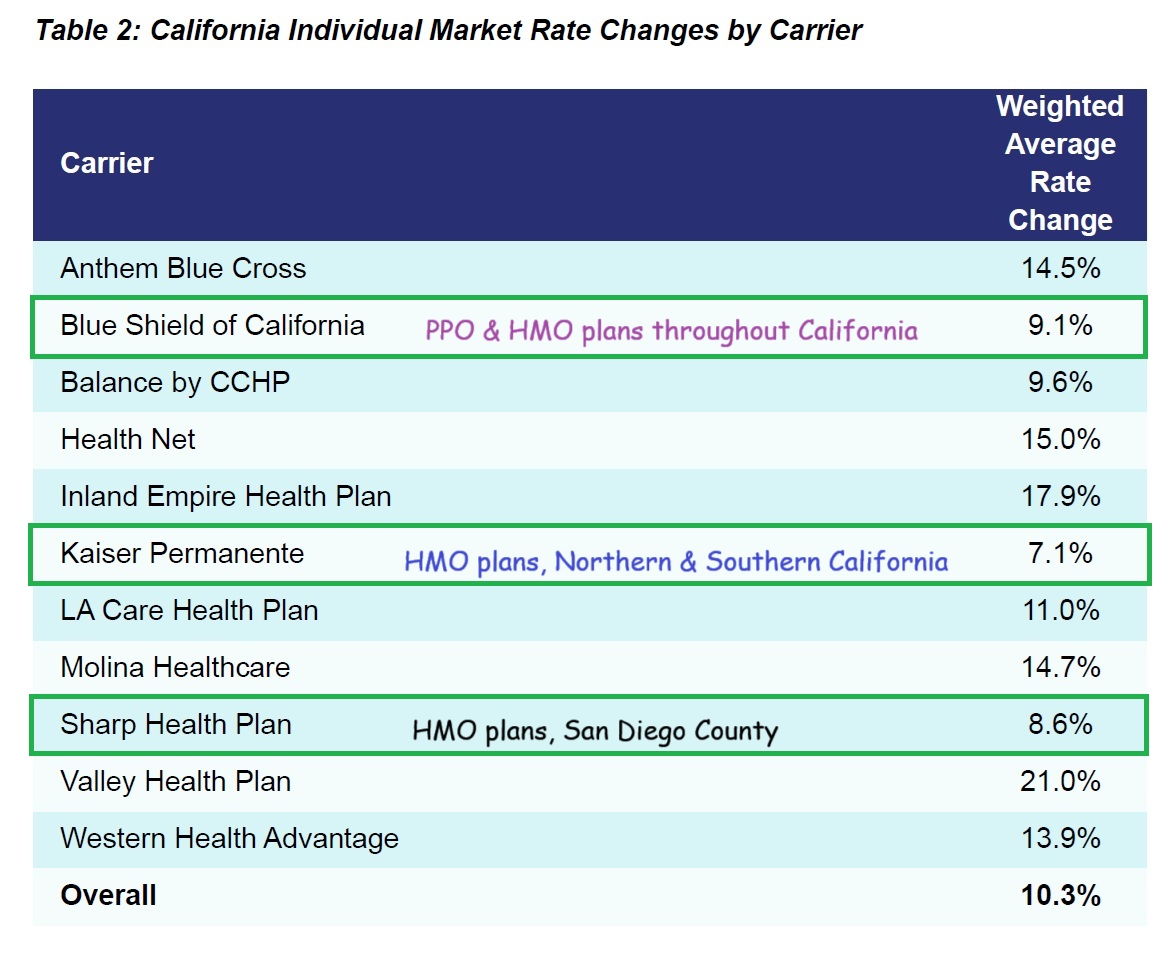
Please contact us by means of Phone, Text or Email: We are Covered California licensed, which means we'll assist you get health insurance coverage online, via e-mail or over the phone. Our objective is to make obtaining Health Insurance coverage simple for you! We will assist you figure out if you receive financial assistance and make sure you complete the Covered California application correctly.
CHIP is the Children's Health Insurance Program. Developed in 1997 by Congress, the program offers medical insurance for children from low and middle-income households who earn too much to qualify for Medicaid, however have actually restricted access to private insurance coverage.
Securing Long-Term Financial Security With Life Insurance
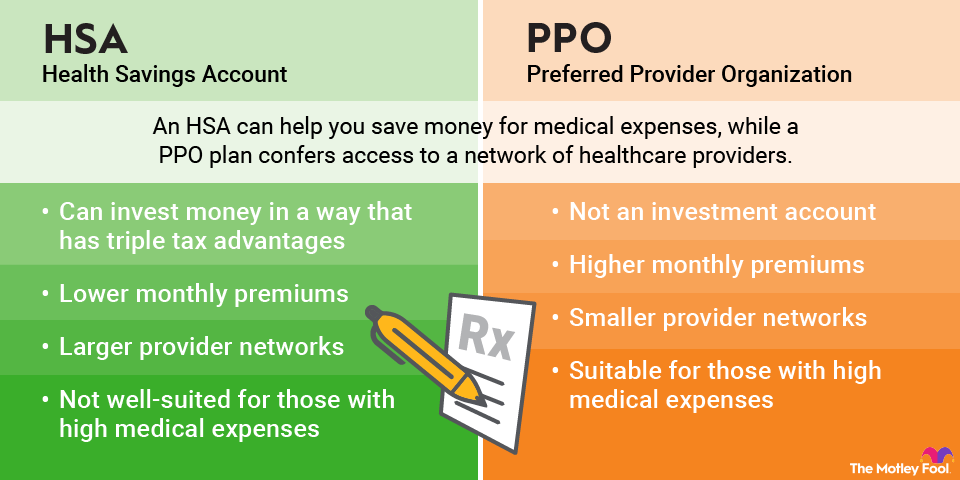
A Health Cost savings Account conserves you money on healthcare expenses by letting you set aside money to spend for qualified medical expenditures, like deductibles, copayments, coinsurance, and even some dental, drug, and vision costs, without paying taxes on it. (Funds normally can't be utilized to pay plan premiums.) These accounts are offered by banks, credit unions, and other financial institutions.
You choose just how much to contribute based on your budget plan even small regular monthly contributions can build up significantly over time. There's no minimum amount you need to put in, but there's a yearly limitation you can't go over. Health Savings Accounts provide numerous tax benefits: you can subtract contributions from your taxable income, what you don't spend remain in the account and rolls over year to year, and any interest made isn't taxed.
By utilizing untaxed dollars to pay for qualified medical costs, you can lower your out-of-pocket healthcare costs.
The average cost for a household health insurance coverage plan offered through the workplace was $26,993 in 2025, an increase of 6% from a year back, according to the annual employer health advantages survey launched Oct.
Comparing Personal Health Insurance Quotes Easily
By contrast, employees wages grew 4% and inflation is up 2.7% from a year earlier. Other surveys job steeper price walkings are on the method for 2026.

Latest Posts

Direct Insurance Advice for Choosing 2026 Coverage
Understanding 2026 Medicare Part D Enrollment
Securing Final Expense Insurance to Support Families